01
Shell sourcing
Mature coconut shells are collected from partner farmers, sun-dried and graded by hand before entering the yard.
About us
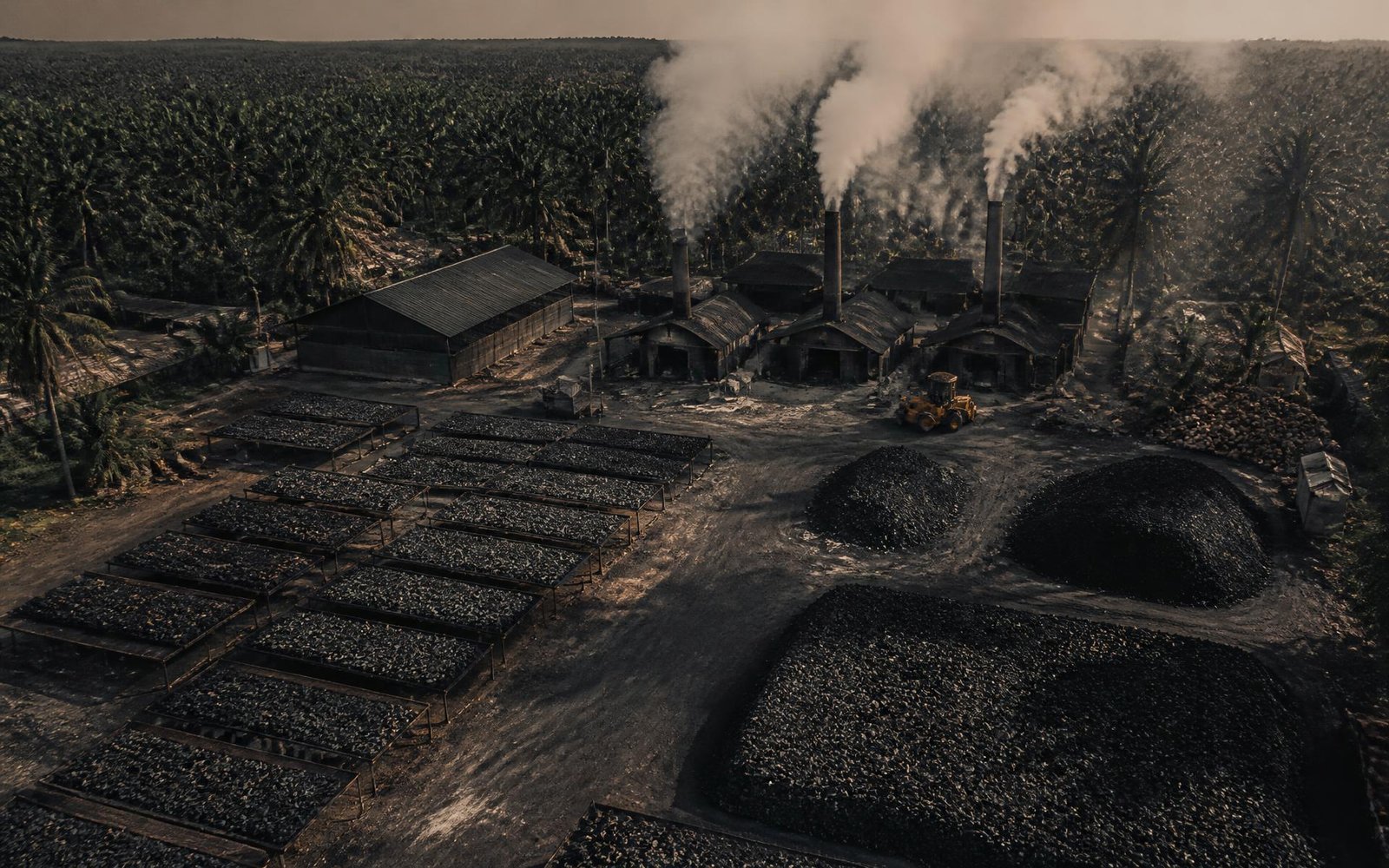
Sumatra Briks began in 2014 as a family workshop with two drum kilns outside Medan. What started as a way to keep coconut shells out of the burn pile is now a 600 MT per month plant shipping to 24 countries — still family run, still measuring every batch before it leaves the gate.
What we stand for
Every shell we carbonize comes from plantations within 120 km of our plant in North Sumatra — traceable, mature, and low in moisture.
We own the chain from farm collection to container loading, so a fiftieth container matches the first trial order.
Calorific value, ash and moisture are tested batch by batch. Reports travel with the documents, not after the complaint.
01
Mature coconut shells are collected from partner farmers, sun-dried and graded by hand before entering the yard.
02
Shells burn in controlled-oxygen drum kilns for 8–10 hours, locking in a high fixed-carbon structure with minimal smoke.
03
Raw charcoal is milled to a fine, uniform powder and blended with a food-grade tapioca binder — no chemicals, no fillers.
04
Extruders shape cubes, hexagons and finger sticks to ±0.5 mm tolerance so they burn evenly in every shisha bowl or grill.
05
Oven tunnels pull moisture below 5%, the step that decides whether a briquette lights fast and holds its ash.
06
Sorted, lab-verified, then packed in your own printed cartons — inner boxes, master cartons, pallets, container loading.
The people behind it
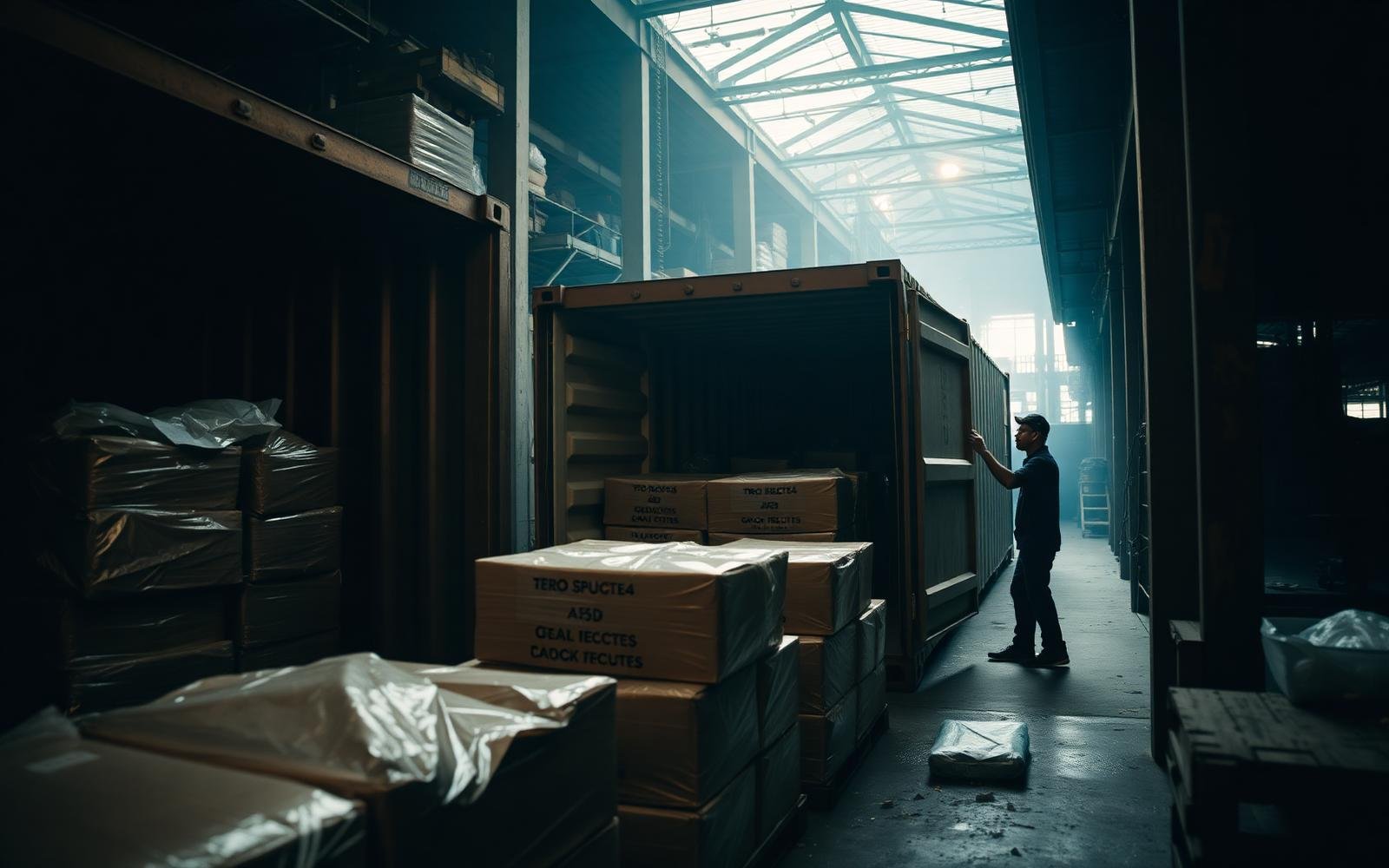
Our plant employs 180 people from surrounding villages and buys shells from more than 400 smallholder farmers. Every container we ship pays a wage in the same district where the coconut grew — a closed loop we intend to keep closed.